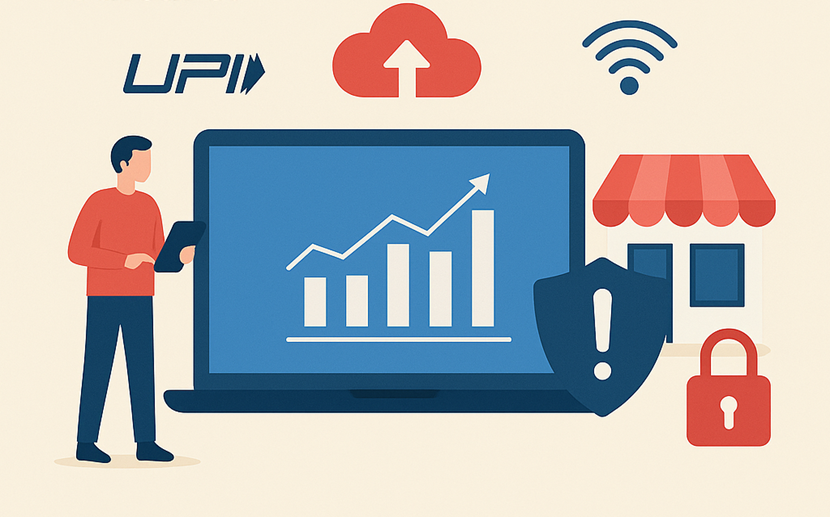


The way of doing business has changed in India because of UPI, digital payments, cloud tools, AI, and work-from-home culture. From big SaaS companies in Bangalore to small local shops using QR codes, every business now depends on connected technology and data.
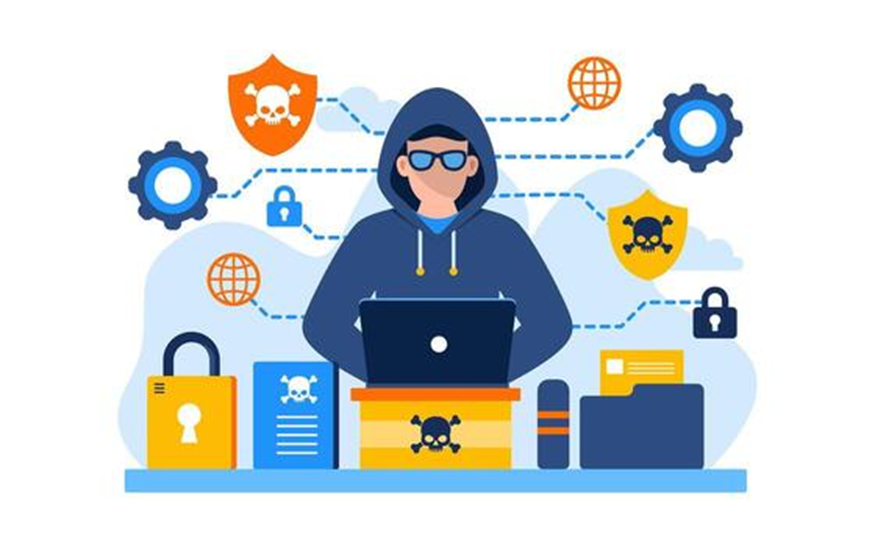
As more Indian businesses move online, scammers are more expert and organized. Most are using AI, robotics, and social engineering to steal data and money, etc. And they don’t just target large IT organizations and banks; small and medium-sized businesses are now easy, profitable targets.
This guide highlights the top cybersecurity challenges that Indian businesses will face in 2025.. You’ll learn how attackers work, how these risks show up in real life, and how to keep your business safe from cyber attacks in India, even if you don’t have a lot of money.
Rising Cyber Threats in India: What Every Business Should Know in 2025
India is one of the most attractive hunting grounds for cybercriminals today. The country has a huge internet user base, massive digital payments volume, and thousands of fast-growing startups. At the same time, many systems are old, security talent is limited, and basic controls are still weak in many firms.
Attacks are growing in three ways There are more attacks, they cost more to fix, and they cause more disruption.
For some small businesses, a serious breach can even threaten survival.
Many Indian sectors get hit repeatedly: IT services, BPOs, banks, fintech, insurance, manufacturing, healthcare, education, and government contractors. Startups that handle payments, logistics, travel, or customer data are also directly in the line of fire.
India also has a mix of very old and very new systems in the same network. A modern cloud app might connect with a 15-year-old server in a plant or branch office. That creates gaps. Employees often use personal phones or home laptops for company work without strong controls—a big risk. The threats are real, but the good news is simple: the latest cyber threats organizations should prepare for can be handled with small, steady improvements.
How Digital Growth in India Is Creating New Cyber Risks
India’s digital success comes with hidden risks. Every new connection, app, and payment route also becomes a possible entry point for attackers.
UPI, e-commerce, digital banking, cloud apps, and work-from-home models all expand the attack surface. When people use a mix of company laptops, personal phones, and home Wi-Fi, it becomes harder to secure everything.
Common weak spots include:
- Old legacy systems that never get patched
- Personal Android phones used for work
- Poorly protected home Wi-Fi routers
- Shared accounts without logs or limits
Think of it as an office with many open doors and no visitor log. Most people walking in mean no harm—but one attacker is enough to cause real damage.
Why Indian Small and Mid-Sized Businesses Are Now Prime Targets
Many Indian MSMEs think, “We are too small. Hackers won’t care.”
and hackers love this mindset.
They use automated tools to scan the internet for weak systems. They don’t care if the target is a small trading firm or a large enterprise. If they can steal money or data quickly, that’s enough.
Smaller companies often:
- Skip regular backups
- Reuse passwords
- Have no full-time security staff
- Use only basic antivirus
From the attacker’s point of view, this is easy money. Even a fake GST email tricking one accountant can cause massive loss.
Top Cybersecurity Threats for Indian Companies in 2025
1. AI-Powered Phishing & Social Engineering Attacks
Phishing tricks people into clicking unsafe links, sharing passwords, or sending money to the wrong place. In 2025, attackers use AI to write perfect messages in Hindi, Tamil, Bengali, Kannada, and more.
Common Indian-style scams include:
- Fake UPI payment problem alerts
- “KYC update” messages
- Fake job offers
- GST return warnings
These come through email, SMS, WhatsApp, or phone calls.
Simple protection:
- Train employees with real Indian examples
- Use email filters
- Turn on MFA
- Always verify payment changes with a call
One 30-second verification call can save lakhs.
2. Ransomware That Locks Business Data
Ransomware locks your files and demands payment. In India, hospitals, manufacturing plants, schools, and local government bodies have already been hit now SMBs and startups too.
Modern ransomware also steals data and threatens to leak it.
Prevention:
- Keep offline backups and test them
- Patch systems regularly
- Limit admin access
- Have an incident response plan
If you can restore clean backups, you can recover quickly.
3. Cloud & SaaS Misconfigurations
In India most of the companies are now using AWS, Azure, GCP, and dozens of SaaS tools. The cloud is safe, but misconfigurations are not.
Common issues:
- Public storage buckets
- Too many admin rights
- Shared passwords
- No monitoring
Fixes:
Don’t trust default settings
Role-based access
MFA on admin accounts
Quarterly cloud reviews
4. Attacks on UPI, Digital Payments, and Banking Users
UPI fraud is rising fast. Attackers target people, not bank systems.
Common scams include:
- Fake UPI apps
- Cloned payment pages
- QR code fraud
- Screen-sharing scams
- OTP theft
Protection:
- Use only official apps
- Train staff handling payments
- Double-check URLs
- Never share OTPs
A simple company-wide rule—no OTP sharing—reduces massive risk.
5. Insider Threats & Employee Mistakes
Most insider issues come from mistakes, not malice.
Examples:
- Clicking a bad link
- Sharing client data over WhatsApp
- Forwarding work emails to personal Gmail
- Developers copying code outside the company
Reduce risk:
- Clear data policies
- Limited access
- Logging and monitoring
- Simple awareness training
Early reporting reduces damage.
How Indian Companies Can Reduce Cyber Risk in 2025 (Without Big Costs)
Basic Cyber Hygiene
Small habits prevent big problems.
- Strong, unique passwords
- MFA everywhere
- Update systems and routers
- Remove old accounts
- Use trusted antivirus
Employee Training
People are the first defense.
- Monthly short training
- Posters with real scam examples
- A “think before you click” culture
- No-blame policy for reporting mistakes
Local Experts & Government Guidance
You can work with:
- Local IT partners
- Managed security providers
- CERT-In, RBI, and sector guidelines
Security isn’t one-time. It’s regular maintenance.
Conclusion: Small Steps Now = Big Protection Later
Cyber threats are rising fast, but panic won’t help. From small, steady action will. The major risks in 2025 are AI phishing, ransomware, cloud misconfigurations, UPI scams, and insider mistakes.
Start with basics like MFA, backups, and training.
Take one step this month, another next month.
Cybersecurity is a business habit, not a luxury.
And remember: attackers go for the easiest target. Don’t be that target.